
May 4
Professional Development Conference 2027
Save the date! PMINUC turns 30, and we're celebrating with our biggest Professional Development Conference yet. Join us May 4–5, 2027 for keynotes, Talent Triangle tracks, tool demos, a service project, prize drawings, PDUs, and networking with 300+ North
At PDC 2026, you’ll learn from industry leaders, innovators, and practitioners who are redefining what it means to deliver value beyond the project. Each session is designed to equip you with practical tools, fresh perspectives, and actionable strategies you can apply immediately, whether leading teams, accelerating transformation, or navigating complex environments.
PDC 2026 Speaker Lineup & Sessions
Explore keynotes and breakout sessions. Click on any speaker to explore their bio and dive into session details.
Keynote Presentations
-
- Beyond the Project: Moving from SCARE to CARES to Deliver M.O.R.E.
-
- Operationalizing M.O.R.E. in your Project Management Practice
-
- The Language of Leadership: How Intentional Communication Drives Project Value Beyond Delivery
-
-
Soft Skills: The Keys to Success in Project Management, Marathons, and Moviemaking
-
Breakout Sessions
- Anthony Reed, CPA, PMP
- Transformative Leadership and the New Type T Project Manager
- Ashley Holloway
- From Overwhelmed to Organized: Time‑Management Strategies Every Project Leader Should Know
- Brett Barker
- Neurodiversity Unmasked
- Byron Woertz
- Scenario Planning: A Strategic Approach to Thinking and Planning
- Dr. Chelsea Shields
- Beyond the Agenda: The Art and Science of Effective Group Facilitation
- Chris Kenney
- Cybersecurity for Project Managers
- Danielle Smithen
- Beyond the Gantt: How Project Managers Think Like the Business (and Why It Changes Everything)
- Derek Oaks
- Owning Success Through Continuous Re-Alignment (Two-part Workshop)
- Gaelle Batot
- Beyond the Doer: What Project Managers Can Learn from Film Directors and Orchestra Conductors
- Jeff Lund
- First Things First on a Project
- Lyle "Croc" Swapp
- Crocodile Leadership and the BLIND Strategy: Leading Boldly and Delivering Decision-Ready, One-page Executive Updates
-
- Change Management 101
- Mayte Mata Sivera
- Beyond the RACI: Stakeholder Engagement Is a People Skill, Not a Spreadsheet
- Mike Berry
- Improve Anything, Anywhere: Mastering Continual Improvement (Session 1 of 2)
- Continual Improvement in Practice – Large Group Simulation (Session 2 of 2)
- Nycole Rosen
- Your Project Didn’t Fail — But It Didn’t Matter
- Quincy Chapman
- Beyond the Project: Trust Is the Strategy
- Randall Englund
- Integrating People and Environment Skills
- Career Boosters I Wish I Knew About Project Management When Starting My Career… Becoming a [more] Complete Project Manager
- Richard Govada Joshua
- Man, Machine, and Meaning: What the World’s Largest Open-Pit Mine Teaches Us About Delivering Real Value Beyond the Project
- Staci Warne
- Working Smarter with Microsoft Planner
- AI (Artificial Intelligence) for Project Managers
- V. Lee Henson
- Beyond Delivery: How Project Leaders Create Value That Actually Lasts
Meet the Speakers & Explore the Sessions
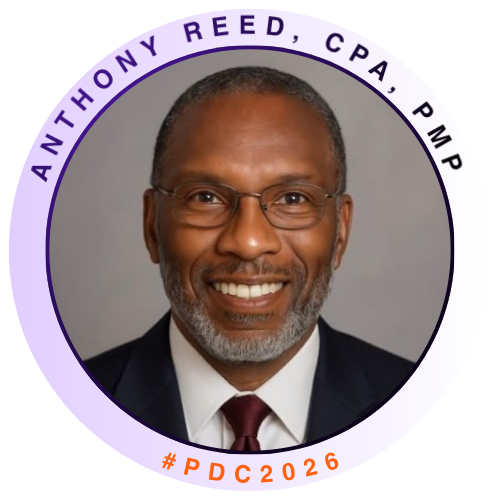
Anthony Reed, MBA, MS, CPA, PMP is a true polymath, which makes him the perfect soft skills and leadership expert. He excelled as a
- Fortune 500 international information technology executive,
- World history making, 132-time marathoner,
- Two-time national distance running hall of fame inductee, and
- Thirty-time international award-winning documentary writer and director.
This high achiever has delivered rock solid, practical advice to over 15,000 professionals and executives throughout the USA, Canada, Brazil, and Europe.
He received the 2024 President’s Council on Sports, Fitness, and Nutrition Hero Award. He has appeared in publications, including USA Today, the Wall Street Journal, PMI Today, ESPN’s The Undefeated, Runner’s World, and the Journal of Accountancy. He has authored over fifty articles and six books. The running clothes and other artifacts from completing his history making marathon are with the Smithsonian Museum of African American History and Culture.
Keynote Presentation
Soft Skills: The Keys to Success in Project Management, Marathons, and Moviemaking
Soft skills are critical for us to be successful in our personal and professional lives. They allow us to build better relationships, work more efficiently, and maximize our potential. They also guide us through very tough and challenging situations. Although a person may be technically knowledgeable and competent, they still must interact with their team members, internal and external customers, vendors, and individuals who don’t report to them. The presenter shares how the same soft skills were critically important to his success as a Fortune 500 IT corporate executive, two-time hall of fame runner, and thirty-two time international award-winning documentary writer and director.
.
You’ll learn how to:
•Successfully and intentionally apply soft skills across multiple disciplines.
•Manage stress and change.
•Embrace fear and risk to move outside your comfort zone.
Workshop Presentation Abstract
Transformative Leadership and the New Type T Project Manager
Did you know that there’s a direct link between managers and marathoners? They’re both Type T’s. This is a thrill seeker. Managers are “mental” Type T’s. And marathoners are “physical” Type T’s.
Preparing for and completing a marathon is the perfect backdrop for examining the challenges faced by business leaders. Successful endurance athletes and business managers exhibit the same characteristics to thrive. They must incorporate change, manage risk, and motivate people to expand their comfort zones to go up hill at a time when they want to quit. All of this must be achieved in a stressful, challenging, and changing business environment. You quickly learn that hills build character.
You’ll learn how to
•Motivate yourself and your team members without a budget.
•Manage the negative, victim mentality.
•Embrace fear and risk to move outside your comfort zone.
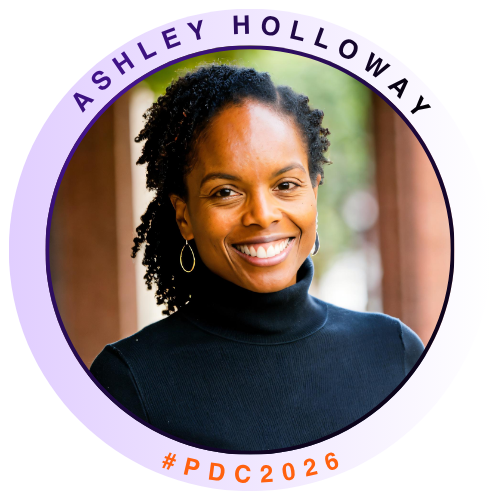
Ashley Holloway, PMP, is a Senior Partner Strategist at Amazon Web Services with nearly 30 years of experience leading cloud transformation, federal modernization, and large-scale digital initiatives across government, nonprofit, and enterprise sectors. Her career includes leading modernization efforts across joint service programs in logistics, where she guided complex technology transitions and multimillion-dollar initiatives that improved operational efficiency and long-term sustainability. Her contributions have earned national recognition, including the BEYA Modern Day Technology Leader Award and the Women of Color Technology Rising Star Award.
In her current role at AWS, Ashley drives strategic cloud adoption programs and builds operational frameworks that strengthen partner and customer outcomes.
Ashley also serves as the Director of Schools and Scholarship for the PMI Northern Utah Chapter, where she expands awareness of the project management profession, engages emerging talent, and increases access to scholarship opportunities. She mentors through Amazon Future Engineer, supporting students from underserved and underrepresented communities as they explore STEM and project leadership pathways.
She is passionate about opening doors for the next generation of project leaders and helping professionals at every stage build the clarity, confidence, and decision-making skills needed to lead meaningful work.
Presentation Abstract
From Overwhelmed to Organized: Time‑Management Strategies Every Project Leader Should Know
This fast‑moving, highly practical session gives project professionals a fresh, clear approach to managing competing priorities. You’ll learn how to use the Eisenhower Matrix to cut through noise, reduce overwhelm, and focus on the work that truly moves projects forward. Through real‑world examples and hands‑on activities, you’ll practice making smarter decisions about what to tackle, what to delegate, and what can wait.
Whether you're an aspiring project manager or a seasoned pro looking to sharpen your leadership edge, you’ll walk away with tools you can use immediately to work with more clarity, confidence, and control.
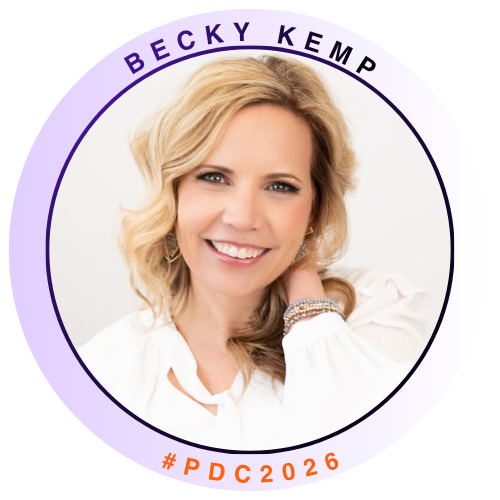
Becky Kemp is a leadership speaker, author, and intentional language expert who helps professionals expand perspective and lead with clarity, empathy, and purpose. She is the author of The Word Effect: 7 Simple Words to Create Your Most Beautiful Life and a professional trainer specializing in leadership communication and emotional intelligence.
With experience training leaders across business, education, and government sectors, Becky equips project professionals to navigate change, strengthen collaboration, and deliver outcomes that extend beyond execution. Her work focuses on how awareness, curiosity, and gratitude shape decision-making, team dynamics, and long-term value.
Known for her relatable storytelling and practical insights, Becky connects leadership language to real-world challenges faced by teams managing complexity, deadlines, and evolving priorities. She brings an engaging, human-centered approach that helps leaders communicate more intentionally, lead with authenticity, and create meaningful impact that lasts beyond the final project milestone."
Keynote Presentation
The Language of Leadership: How Intentional Communication Drives Project Value Beyond Delivery
In project environments, success is often defined by timelines, scope, and execution. Yet the greatest influence on outcomes isn’t methodology—it’s leadership language. The words project leaders use shape how teams think, collaborate, and respond to change.
This session introduces three practical leadership language tools—Awareness Fuels Power, Curiosity Fuels Success, and Gratitude Fuels Growth—to help project professionals expand perspective and deliver value beyond deliverables. Participants will explore how intentional language supports clarity during uncertainty, reduces friction in moments of change, and encourages shared ownership of outcomes.
Through relatable project-based examples and real-world leadership insights, attendees will learn how to shift from reactive communication to intentional influence, from fear of failure to adaptive problem-solving, and from burnout to resilience. This session equips project managers to lead with empathy, authenticity, and emotional intelligence—creating stronger teams, better decisions, and meaningful outcomes that last beyond the final project milestone.
Key takeaways
-
- Apply awareness-driven language to improve clarity, collaboration, and decision-making throughout the project lifecycle.
- Use curiosity-based communication to navigate uncertainty, adapt to change, and encourage innovative problem-solving within project teams.
- Practice gratitude-focused leadership language to strengthen engagement, resilience, and sustained performance beyond project delivery.
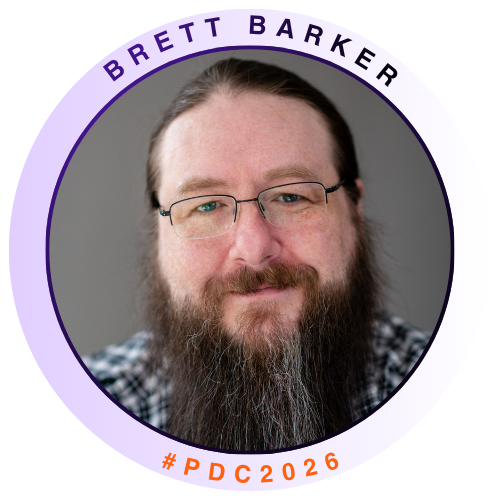
Brett Barker is a learning and development leader with a background in software quality, Agile systems, and organizational training. He began his career in the software world, where years in QA and operations shaped his systems-thinking approach to leadership, communication, and problem-solving.
Brett focuses on developing people, improving how teams work together, and helping organizations reduce friction caused by misunderstanding, miscommunication, and unexamined assumptions. His work centers on creating psychologically safe environments where different thinking styles are understood and valued, allowing teams to collaborate more effectively and deliver better outcomes.
He has designed and delivered training for universities and private organizations, with a particular emphasis on practical, human-centered approaches to working across differences.
Presentation Abstract
Neurodiversity Unmasked
Neurodiversity Unmasked explores how different thinking styles show up in real project environments—and what happens when those differences are misunderstood, ignored, or forced underground through masking. Drawing on experience from the software and delivery world, this session reframes neurodiversity as a natural spectrum rather than a problem to be fixed.
Participants will examine the hidden strengths neurodivergent people bring to teams—pattern recognition, deep focus, systems thinking—alongside the often invisible costs of navigating environments built for neurotypical norms. The session connects common workplace challenges (communication breakdowns, missed signals, burnout, disengagement) to practical, human-centered adjustments that improve collaboration for everyone.
This session focuses on understanding, not labeling, and equips attendees with concrete ways to reduce friction, support diverse thinkers, and help teams work better together.
Key takeaways
-
- Neurodiversity is a spectrum, not a binary—and every team already includes it
- Masking has real cognitive and emotional costs that impact performance, retention, and delivery
- Many “soft skill” issues in projects are actually processing or communication mismatches
- Small, reasonable accommodations often improve productivity for all team members, not just neurodivergent ones
- Clear expectations, safe feedback, and role alignment reduce friction more effectively than motivation tactics
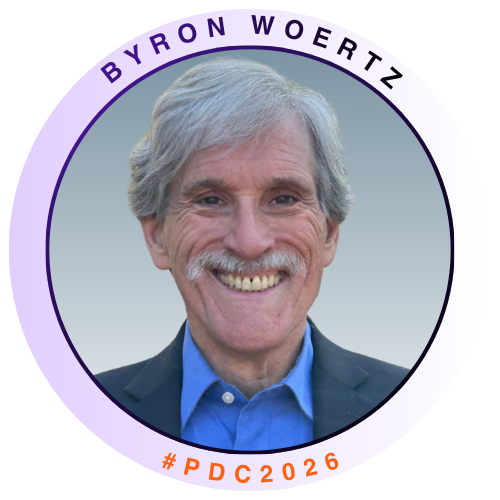
Byron Woertz is the Principal at Integrated Coaching and Consulting. He offers services in group coaching on topics such as emotional intelligence, change leadership, and learning biases; individual coaching for leadership development, goal achievement and personal growth; and peer group leadership for Christian business leaders.
From 2009 until 2013, Byron worked at the Western Electricity Coordinating Council, most recently managing a team of engineers performing reliability risk assessments for the bulk power system in the Western United States, Western Canada and a portion of Mexico. He also worked at WECC as a senior project manager to expand WECC’s transmission planning activities.
From 1997 through 2009, Byron worked at the California Independent System Operator (CAISO) with responsibilities in client relations, stakeholder relations and project management. He was part of the CAISO’s start-up team as well as the market redesign effort that led to a transition to nodal markets for energy, ancillary services and congestion management starting in 2009.
Prior to the CAISO, Byron worked for Pacific Gas and Electric Company for 18 years with responsibilities in community and governmental relations, general management, customer services, energy management and solar energy. He also worked briefly in the telecommunications industry.
Byron holds an M.A. in Executive Coaching and Consulting from Concordia University; an M.B.A. from California State University at Sacramento; and a B.S. in Chemical Engineering from U.C. Berkeley. He also holds a Project Management Professional (PMP) credential from the Project Management Institute. He lives with his wife, Marlene, in Cottonwood Heights, UT and has a son, Evan, living in Long Beach, CA and a daughter, Erica, living in Holladay, UT.
Presentation Abstract
Scenario Planning: A Strategic Approach to Thinking and Planning
In an era of rapid disruption, traditional linear planning is no longer enough. This session explores the art and science of Scenario Planning, a strategic approach to project management that involves envisioning and preparing for multiple plausible futures rather than relying on a single forecast. By identifying key drivers and how they affect the central goal, project managers can develop a set of alternative scenarios to guide strategic choices. This approach supports better decision-making by encouraging broad, proactive thinking, cross-functional collaboration, and continuous reassessment of assumptions. Ultimately, scenario planning helps organizations reduce surprises, manage complexity, and increase the likelihood of project success in uncertain environments.

Dr. Chelsea Shields is a dual-PhD biological and cultural anthropologist and global communication strategist who has spent over 20 years studying how humans think, feel, trust, and take action—often without words. Her research focuses on social placebo effects and the end-user experience: how visual cues, symbolism, expectation, and emotional signaling shape human perception and behavior at a biological level. From years of longitudinal fieldwork with Indigenous healers in West Africa to large-scale consumer research across modern markets, Chelsea’s work reveals a core truth: communication is a physiological and emotional experience before it is a rational one.
For the past 13 years, Chelsea has applied this research as the CEO of Brandthropologie Agency, leading consumer-centric brand and rebrand strategy for enterprise companies and global agencies. She has designed and directed large, multi-method research programs—spanning qualitative and quantitative insights, UX/UI testing, focus groups, claims validation, and real-world behavioral analysis—always centered on how audiences actually respond, not how brands hope they do. Known as “the Audience Whisperer,” she has analyzed millions of audience and consumer reactions, translating human data into predictive communication frameworks, emotional resonance, and brand strategies that perform in the real world.
Alongside her strategy work, Chelsea is a leading expert in executive communication, presence, and nonverbal influence. A TED Fellow since 2010, 4x TED Speaker, and 6x TEDx Speaking Coach, she has trained thousands of executives, leaders, and speakers in the science of body language, visual signaling, vocal dynamics, and audience psychology. Whether advising global brands or coaching leaders to command a room, Chelsea helps people intentionally shape the emotional and biological impact they have on others—so their communication feels authentic, magnetic, and impossible to ignore.
Presentation Abstract
Beyond the Agenda: The Art and Science of Effective Group Facilitation
Great project outcomes don’t happen in plans or tools—they happen in rooms full of people. And the quality of those outcomes depends on how effectively leaders facilitate conversation, manage energy, and guide group dynamics in real time.
This highly interactive breakout session goes beyond meeting mechanics to explore the biochemistry, psychology, and nonverbal signals that drive influence, trust, and decision-making in groups. Drawing on 20+ years of anthropological research facilitating executive teams, focus groups, and advisory boards—and teaching group facilitation at the MBA level—this workshop reveals the hidden factors that make meetings succeed or stall.
Participants will learn why most facilitators unintentionally undermine authority, how to regulate nervous system responses in high-stakes conversations, and how to lead groups with clarity, confidence, and adaptability. Select volunteers will receive live facilitation practice and real-time body language coaching. Attendees leave with immediately usable tools to lead meetings that create alignment, ownership, and lasting value—long after the project ends.
Learning Objectives:
By the end of this session, participants will be able to:
-
- Understand the biochemistry of leadership and facilitation and how nervous system regulation impacts group trust, engagement, and decision-making.
- Facilitate meetings with greater authority and clarity by aligning voice, body language, and intent.
- Identify and correct the most common facilitation mistakes that derail focus, participation, and outcomes.
- Influence stakeholders without formal authority by managing group dynamics, emotional cues, and competing priorities.
- Create inclusive, high-performing group environments that encourage accountability, collaboration, and shared ownership.
- Apply practical facilitation tools to lead adaptive, outcome-focused discussions that sustain value beyond project completion.
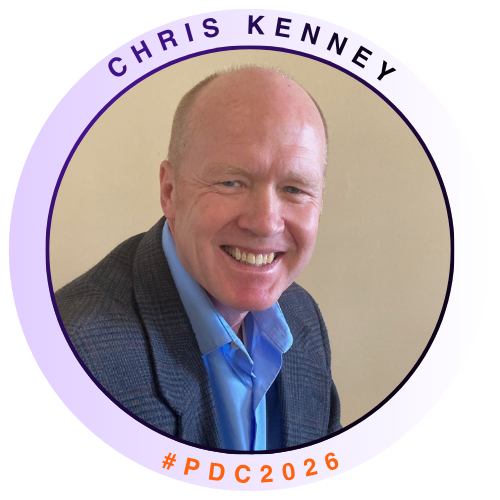
Chris Kenney PMP, CSM, CISSP is a senior IT professional with a broad range of experience and knowledge over a 30-year career; extensive background in cyber security and compliance, technical operations, infrastructure, project management, third-party relationships, cloud services, product management, and customer service. He has a proven track record for driving mission critical programs to successful completion on time and under budget.
• Member of ISC2 and Project Management Institute
• Six years on the PMI-NUC board of directors
• Degrees in Data Processing, and Information Management
• Certifications; ITIL 4 Foundation, PMP, CSM, CISSP
Presentation Abstract
Cybersecurity for Project Managers
In today's business world stakeholders are being held accountable for cybersecurity outcomes. For information and technology projects to be considered successful cybersecurity must be included. Threat landscapes and compliance objectives are constantly changing and organizations must adapt. An understanding of cybersecurity concepts and principles is needed by project managers to drive meaningful outcomes for information and technology projects. During this presentation we will combine project management expertise with an understanding of cybersecurity principles and frameworks. We will discuss concepts and approaches to IT initiatives and present incorporating cybersecurity in projects. This session is for folks with a project management background looking to learn about cybersecurity.
Back to Top>>
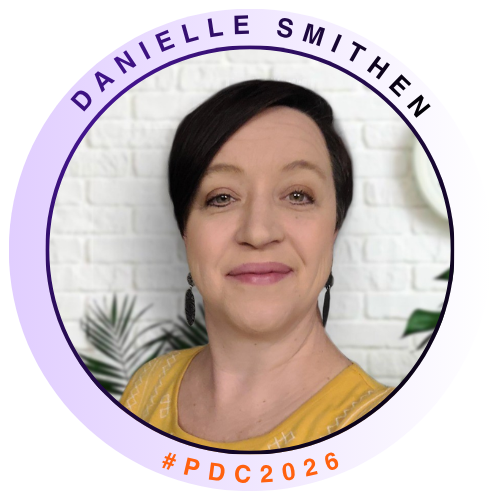
Danielle Smithen is a Director of Operations Systems with nearly two decades of experience sitting at the intersection of Operations, IT and project management - where strategy meets reality and excuses go to die. She has led large-scale, high-stakes initiatives in transportation and logistics. With a background spanning Operations, training, application support, and agile delivery, Danielle brings strong business acumen to every project and is known for translating executive strategy into outcomes that actually move the needle. She currently leads complex, multi-project environments while championing practical agile adoption and the thoughtful use of AI in project management.
Outside of work, she's a mustang enthusiast, plays keyboards in a band, and believes great leadership - like great cars - should be powerful, well-tuned, and built to last.
Presentation Abstract
Beyond the Gantt: How Project Managers Think Like the Business (and Why It Changes Everything)
Expand your perspective. Deliver value that lasts after the project closes.
Most PMs are told: Understand the business, think strategically, and tie work to outcomes. Very few are taught HOW to do that when they've NEVER worked in operations, support, finance, or the front line. You can't learn business acumen from a textbook. You learn it by living in the consequences of bad processes, bad systems, and bad decisions. This session will translate my lived experience into repeatable, teachable techniques any PM can apply - regardless of industry or seniority.
Business acumen isn't about knowing MORE. It's about asking better questions earlier. This talk reframes business acumen as a skillset PMs can deliberately build, not something you magically gain after 15 years or an MBA.
Learning Objectives:
1. The PM Trap: Delivery "Successful" projects that don't matter. Key concept: On-time and on-budget do not equal business success.
2. How business acumen is actually built. (Spoiler: Not in PM Software). Key concepts: It comes from understanding flow, friction, and fallout.
3. The Business Acumen Toolkit: 5 Questions Every PM Should be Asking. For new PMs, they learn WHAT to ask. For senior PMs, it sharpens HOW and WHEN to ask.
4. Borrowed Lenses: How to think like Ops, Support and Leadership. Key Concept: How to "temporarily" borrow perspectives you don't have access to
5. Expanding Your Perspective without changing jobs. Key Concept: PMs don't need more authority - just better angles.
Key Takeaways:
1. A practical definition of business acumen they can actually use
2. A repeatable question framework for any project
3. Confidence to engage in strategic conversations
4. A mindset shift from "project delivery" to "value stewardship"
"Great project managers delivery projects. Exceptional project managers deliver outcomes."
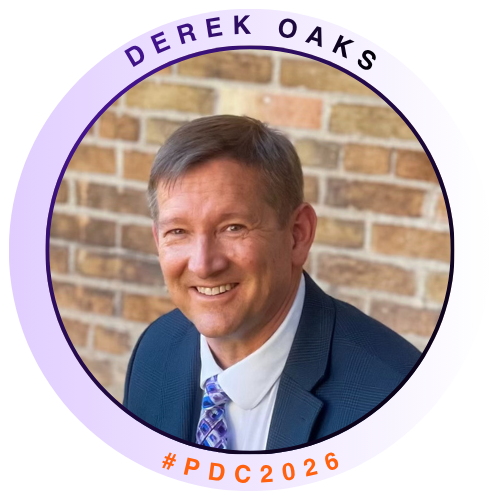
Derek Oaks served for over 24 years as a fighter pilot, combat commander, and project manager in the U.S. Air Force. Following retirement, he has worked as a consultant, served on multiple boards, and held the role of Director of Programs for a defense contractor. He is also the owner of Decisive Leadership LLC, a small business dedicated to leadership writing, speaking, and consulting.
A two-time author of Rising Above and The Confident Leader, he is a sought-after keynote speaker and the producer and host of the podcast Commander's Intent, recognized as a Top New Show Podcast. He speaks on vision, decision-making, strategic planning, focus, and alignment.
He has been married for over 34 years and is the proud parent of four children.
Presentation Abstract
Owning Success Through Continuous Re-Alignment (Two-Part Workshop)
Effective debrief is all about a continuous re-alignment with the organizational vision. That happens with 1) a clear vision, 2) entrusted and empowered teams, and 3) a continuous debrief cycle that helps the organization stay aligned with the stated goals. This approach works for an ongoing project, as a wrap-up for a completed project in preparation for the next one, and as a method to keep the entire team in sync both in and out of the project.
Learning Objectives
-
- Apply the Fighter Pilot Debrief to your current situation
- Demonstrate how to lead an objective-focused team in the same direction
- Demonstrate how to share a vision that matters
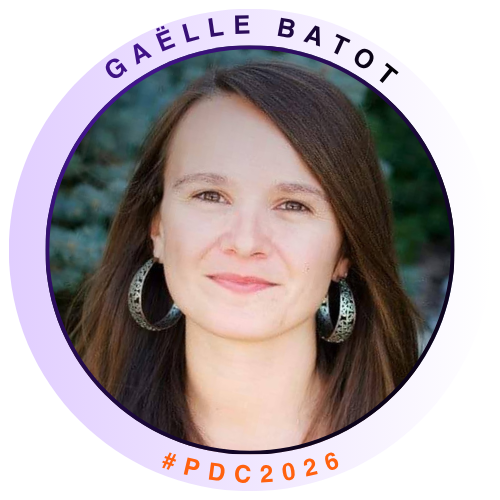
Leadership—a shift inspired by the very tools and structure she once wished she had in the lab. Over the past five years, she has built a reputation for guiding complex, high‑stakes initiatives with clarity, creativity, and a conductor’s mindset. Now a Program Manager in the medical device industry, she blends scientific rigor with PMP‑certified expertise to align stakeholders, empower cross‑functional teams, and deliver meaningful outcomes in fast‑moving environments.
Her French roots shape her direct yet human‑centered approach, adding both perspective and the occasional charming accent. Beyond work, Gaëlle finds balance outdoors—running, hiking, camping, and adventuring with her dogs. She brings the same curiosity and energy to her personal life as she does to her projects, always seeking connection, learning, and the joy in every challenge.
Presentation Abstract
Beyond the Doer: What Project Managers Can Learn from Film Directors and Orchestra Conductors
Project managers are often misunderstood. Some stakeholders expect them to “do the work.” Others expect them to simply track tasks and timelines. But the reality — especially in high‑stakes, high‑complexity environments — is far more nuanced. A PM is neither the star of the show nor a passive observer. They are the director of the film, the conductor of the orchestra: the person responsible for transforming a vision into a cohesive, high‑quality masterpiece without ever touching the camera, playing an instrument, or stepping into the spotlight.
In this session, we’ll explore how adopting the mindset of a director or conductor can help project professionals expand their perspective, manage competing priorities, and deliver meaningful outcomes even when they can’t control every variable. By stepping “beyond the project,” we’ll examine how PMs can focus on the levers they do control — communication, alignment, clarity, cadence, and culture — and let go of the ones they don’t.
This metaphor offers a fresh, practical lens for navigating modern project complexity, stakeholder expectations, and the pressure to deliver value in uncertain environments.
Learning Objectives
- Understand the PM role as a coordinator and leader, not the person doing all the work.
- Focus on what you can actually influence: communication, alignment, and keeping everyone moving together.
- Set clearer expectations with stakeholders by explaining the “why” and the value behind decisions.
- See the full picture of a project — including all the people involved — instead of just the task list.
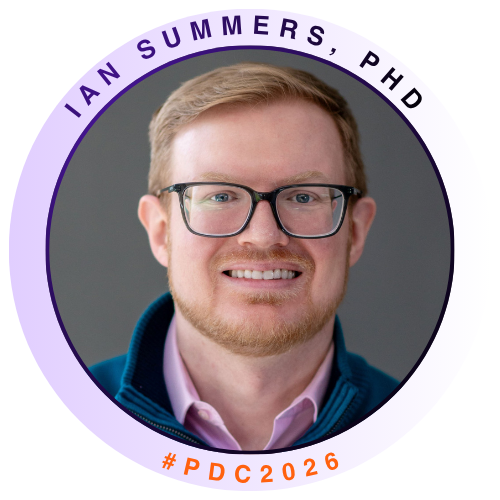
Ian Summers, PhD is the Manager of Research & Insights for the Thought Leadership team at the Project Management Institute (PMI). A resident of Murray, he is proudly an active member of PMI’s Northern Utah chapter. He brings over a decade of experience in advanced quantitative and qualitative research methods, with a focus on language modeling and artificial intelligence.
At PMI, Ian’s research team explores a range of topics addressing the project management profession including project success, future economic demands for the project management profession, sustainability, trends in diversity, and how AI is transforming project work across industries.
He has co-authored several influential reports including Reclaiming Agile’s Promise, Maximizing Project Success, Global Project Management Talent Gap 2025, and Enabling Project Management Transformation with GenAI. Prior to joining PMI, he was a research scientist for multiple Silicon Slopes firms and a National Science Foundation Fellow at the University of Utah..
Keynote Presentation
Operationalizing M.O.R.E. in your Project Management Practice
Based on PMI’s latest Project Success Report, this session shows how to bring M.O.R.E. into your daily project management practice. Learn practical strategies to strengthen team alignment, improve execution, and consistently deliver project results that matter.
Back to Top>>
Jeff Lund is a project management enthusiast having worked as a technical project manager, product manager, and in various leadership roles. Jeff has worked with a number of local, national and international companies in various industries.
Jeff provides corporate and conference trainings on various career management, project management and leadership topics. Jeff is also a board member of the PMI Northern Utah chapter and part of the board executive committee. He holds a BS degree from the University of Utah, an MBA from Westminster University, and a number of certifications including PMP, CSM, Lean Greenbelt and ITIL.
Presentation Abstract
First things first on a project
When starting out with a new project, what are your go-to deliverables and tools you use? In this engaging session, we’ll explore practical tools to use as you start up and manage a project. Also, we will review ways you can identify and engage stakeholders in your project to help ensure the project delivers value and is successful...
Learning Objectives
- Understand key deliverables to create and use to help you organize your project.
- Create a strategy for working with stakeholders and helping to ensure your project delivers M.O.R.E. value.
- Ways to identify influencers related to your project to help ensure your projects success.
Lyle "Croc" Swapp is transitioning from a 26-year career with the U.S. Air Force into the project management workforce in Utah. He currently serves as a Senior Program Manager with a proven track record of leading complex programs, portfolios, and PMO operations in high-stakes, multi-stakeholder environments.
He specializes in guiding cross-functional and cross-cultural teams, translating strategic vision into executable programs, and delivering results through disciplined program and portfolio management, strategic budgeting, risk management, and Agile/Hybrid delivery. His leadership experience spans teams and organizations of more than 200 personnel.
Known by the nickname “Croc,” he is recognized for a leadership style that is patient in long-range planning, deliberate in execution, team-oriented in approach, and decisive when action is required. This mindset drives his ability to align people, resources, and priorities toward clear outcomes across diverse stakeholders and cultures.
He is respected for his integrity, calm leadership, and mature judgment, and is energized by environments where strategic intent, disciplined execution, and people leadership intersect.
Presentation Abstract
Crocodile Leadership and the BLIND Strategy: Leading Boldly and Delivering Decision-Ready, One-page Executive Updates
- Crocodile Laws: Developed over 26 years as a USAF leader, these 12 leadership laws present clear guidance to develop effective indirect and direct leadership in all settings.
- The BLIND strategy: Stakehoders can present a challenge when communicating with them. Yet, sometimes, we are our own worst enemies. The BLIND communication strategy is clear, direct, and a single page update. "
PM professionals are leaders whether we want to be or not. "Leadership is done with people and not too people". This is intended to help:
- Develop personal leadership traits
- Identify leadership principles tested and proven through worldwide team environments.
BLIND Communication Strategy
- Stakeholder communication strategies that work
- Effective and Impactful communication strategies.
Max Black is a strategic change management leader with a decade of experience helping organizations navigate transformations. Max thrives at the intersection of people and transformation.
Max’s passion for change management stems from his belief that change is constant, and in today’s world—where AI and digital transformation are accelerating the pace—organizations and individuals need structured approaches to navigate it effectively. His greatest joy comes from seeing the “sparkle in people’s eyes” when they recognize the value of change management and how it can empower them to adapt and thrive.
Having lived in Utah for the past five years, Max enjoys spending time with his wife, three children, and their dog. Outside of work, he’s often nerding out over movies or spending quality time with family and friends..
Presentation Abstract
Change Management 101
Projects do not fail or underperform from planning alone, they struggle when people aren’t prepared to adopt the change. This session introduces project managers to the fundamentals of change management and its role in improving adoption, reducing resistance, and driving successful outcomes.
Attendees will gain a clear understanding of how change management complements project management, the value a dedicated change manager brings, and practical tools they can apply right away. Whether you have a dedicated change resource or not, you’ll walk away with practical ways to better support your teams, navigate the people side of change, and help your projects deliver results that stick.
Objectives:
-
- Define what change management is
- Illustrate the aspects that make up effective change management
- Explain how effective Change and Project Management can impact project success
Mayte Mata Sivera is a project leader and published author with more than 20 years of experience leading complex, global initiatives across technology, strategy, and organizational transformation. She is the author of The Volunteer Journey to Project Leadership, a Gold Quill Award–winning book recognized for its contribution to leadership development and professional growth.
Mayte is a frequent PMI Global Conference speaker, where she shares practical, experience-based perspectives drawn from leading high-impact programs and working across diverse, global teams.
In addition to her speaking and writing, Mayte is a trusted mentor and community leader, known for her ability to connect strategy with execution and to bring clarity to complex environments. Her work focuses on elevating project leadership as a critical capability for organizations navigating change and growth at scale.
.
Presentation Abstract
Beyond the RACI: Stakeholder Engagement Is a People Skill, not a spreadsheet
Many projects do not fail because of missing tools or frameworks. They fail because people understand roles and decisions in different ways. On paper, RACI looks clear. In real life, it often creates confusion.
This interactive workshop helps participants move beyond RACI and focus on how people really work together. The session is based on real global projects shared at PMI Global Summit 2025 in Phoenix. Participants will explore common situations where everyone agrees in meetings, but work does not move forward.
This is not a lecture. Participants will work in small groups and discuss real examples. Together, we will identify hidden decision makers, unclear ownership, and gaps in communication. Attendees will practice simple techniques to improve stakeholder conversations and engagement.
Participants will leave with practical ideas they can use immediately, no matter their role, industry, or project method.
Learning Objectives
- Identify and address common gaps in stakeholder engagement tools
- Apply strategies of clarity, courage, and connection to stakeholder engagement.
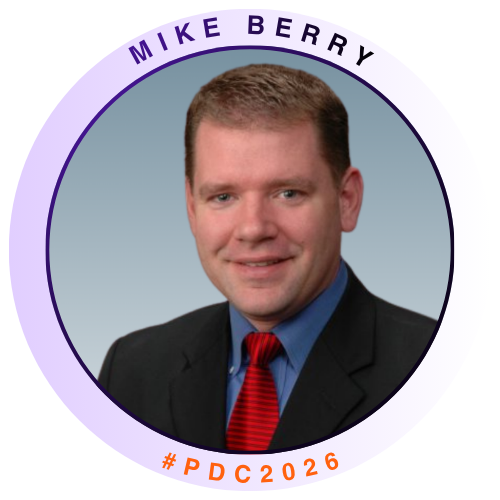
Michael J. Berry, CSMC, CSPRO, CSSM, CSSPO, PMP, PMI-ACP, PMI-PBA, ISTQB-CTFL, CSM, CSPO, is the CEO and Chief Trainer for Red Rock Research. He has worked in the software development industry for over 25 years prior to starting a training company 17 years ago. He is an expert in both Agile and plan-based development methodologies and has developed courseware and teaches in all areas of software development.
What sets Mike apart from other software coaches is that he has a technical programming background and has programmed multiple world-class applications. Mike wrote bank teller software that was deployed at over 2500 branches in five states. He led a team that wrote medical EMR software that was deployed in over 600 medical facilities in the United States. Mike wrote a global product lifecycle tracking system that is deployed in numerous countries on four continents. In addition to holding numerous certifications, Mike is also a John C. Maxwell Leadership Coach, and is the creator of the Stable Framework, a quality system for the IT community.
.
Presentation Abstract
Session 1 (Part 1 of 2): Improve Anything, Anywhere: Mastering Continual Improvement
How do truly effective organizations move beyond relying on individual “tribal knowledge” and create stable, repeatable systems that deliver consistent results? Join this session for an overview of the history of formal quality management and learn how you can benefit from 250 years of proven improvement patterns to bring stability and effectiveness to your environment. Topics covered include W. Edwards Deming, ISO-9000, the Toyota Production System, Shingeo Shingo, Lean Six Sigma, CMMI, the Stable Framework. Leave this session with a clear understanding of how to transform unstable, person-dependent processes into robust, institutional knowledge that brings stability, predictability, and long-term performance to your organization.
This is part 1 of a 2 part series in this conference. Part 2 is the Large Group Simulation.
Session 2 (Part 2 of 2):Continual Improvement in Practice – Large Group Simulation
Join us for an interactive, high-energy hands-on simulation that brings continual improvement principles to life in the world of project management.
Building on Part 1, this session immerses you in a fun, gamified experience where you’ll actively apply quality improvement tools and techniques within a realistic project environment. You’ll see firsthand how a well-designed continual improvement system drives better performance, reduces waste, increases team collaboration, and delivers superior project outcomes.
Come prepared to participate, compete, learn, and leave with practical insights you can immediately implement in your own projects.
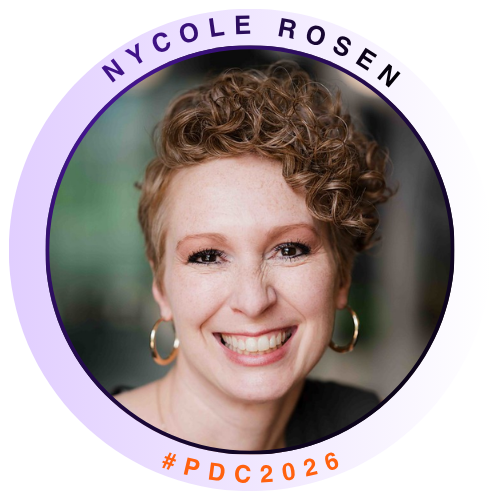
Nycole Rosen, is a Tech-savvy Project Manager with a proven track record in driving process improvement and delivering mission-critical initiatives in dynamic environments. I excel at connecting strategic objectives with agile execution, translating complex technical needs into actionable plans, and optimizing workflows for stronger outcomes. Passionate about building high-performance teams, fostering collaboration across business and IT, and continuously evolving processes to power innovation and efficiency.
.
Presentation Abstract
Your Project Didn’t Fail — But It Didn’t Matter
Projects can be delivered perfectly and still fall short of creating real value. In this interactive breakout session, we’ll challenge the traditional definition of success and explore what happens when projects meet their scope, schedule, and budget goals — but fail to produce meaningful outcomes for stakeholders.
Using real-world case studies and facilitated discussion, participants will examine why “successful” projects sometimes miss the mark, how assumptions about value can go untested, and where early signals of trouble are often overlooked. Together, we’ll apply the M.O.R.E. mindset to reframe how we define, monitor, and own project success beyond execution.
Attendees will leave with new lenses for evaluating impact, practical questions to ask throughout the project lifecycle, and a clearer understanding of how project leaders can influence outcomes long after delivery is complete.
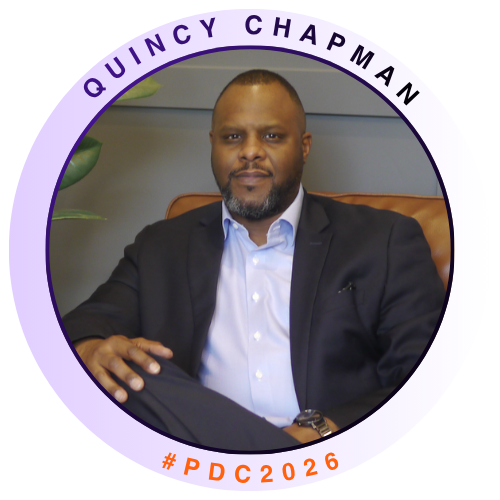
Quincy W. Chapman is a transformation leader, Certified Professional Futurist, and CEO of AdaptogeniQ. He serves as President of the PMI Northern Utah Chapter, where he is focused on elevating the profession and equipping project leaders to thrive in an era of rapid change. Known for bridging bold future thinking with real-world execution, Quincy helps organizations and leaders design strategies, operating models, and careers that can outlearn disruption..
.
Presentation Abstract
Beyond the Project: Trust Is the Strategy
The critical path isn’t in your schedule. It’s in human behavior. Learn how trust drives delivery before, during, and after the work.
Key Takeaways
• A new way to use trust to drive outcomes, not just manage risk
• A method to unlock innovation without destabilizing delivery
• One practical technique to improve project performance immediately
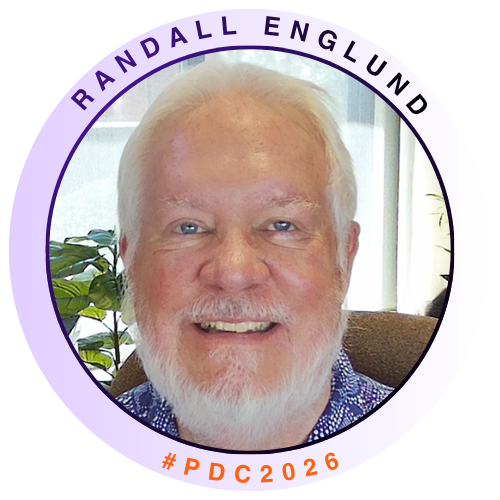
As executive consultant for the Englund Project Management Consultancy, Randall Englund, MBA, BSEE, NPDP, CBM, provides management and leadership awareness for clients worldwide at a systemic level through his presentations, workshops, seminars, consulting engagements, books, conference papers, blogs and other writings. His interactive, multimedia presentations focus on mindset and people skills that create more effective working environments. Experiences stem from 22 years at Hewlett-Packard, where he was a senior project manager at a corporate level, and long term presenter for PMI Training and chapter events. He also served as a program manager in high tech new product development and as a field installation supervisor for GE.
He co-authored seven books and contributed chapters to other business/management books. He received the PMI Distinguished Contributions Award for his body of work leading seminars and graduate university courses and the PMI Project Management Award of Excellence for his significant and lasting contribution to professional services.
.
Presentation Abstract
Integrating People and Environment Skills
Of the many things you can do to improve project and organizational performance, by far the best approach is to create environments for people to do their best work. Become an integrated thinker to tap ideas and practices that foster collaboration and create optimized results.
Start by understanding the current environment. Become a role model to cut through the chaos. Create a productive, satisfying working environment. Use an assessment that focuses on necessary, essential activities, and best practices. All persons can invoke the insights shared in this session by engaging themselves and others in continuous (or radical) improvements that go beyond the project. Make the commitment to be accountable, create value, and contribute to the greater good, no matter your level or type of organization. Design human-centered, outcomes focused solutions. Expand perspectives and adopt a mindset that each person can make a difference, develop necessary skills, and become more complete leaders. Integrate changed thinking into daily activities. Become ready to reap the benefits of an optimized workplace that you help to create. Know that you are excellent and can tap your essence to be a leader and role model.
This multimedia session provides inspiration, knowledge, best practices, mindmaps, assessments, action steps, and real-life examples.
Key Takeaways
-
- Tap ideas and practices that foster collaboration and create optimized results
- Adopt, adapt, and apply mindsets that make a difference in the working environment
- •Integrate changed thinking into daily activities
.
Presentation Abstract
Career Boosters I Wish I Knew About Project Management When Starting My Career… Becoming a [more] Complete Project Manager
- The Complete Project Manager integrates key people, organizational, and technical skills.
- Success in any environment largely depends upon completing successful projects.
- Successful projects get done by skilled project managers and teams, supported by effective project sponsors.
- It is the integration of people skills that makes the difference in achieving optimized outcomes.
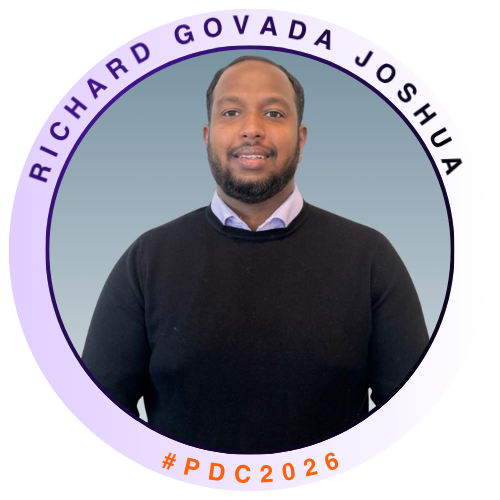 Joshua Richard Govada is an IT Project Manager and Business Analyst with over 11 years of experience delivering large-scale, mission-critical technology initiatives across government, enterprise, and industrial environments. He has led and supported complex programs for organizations including state government agencies and global enterprises, with a focus on operational systems, data-driven decision-making, and stakeholder alignment.
Currently, Joshua works with Rio Tinto, where he contributes to technology and operational initiatives within large-scale mining environments. His experience includes observing and analyzing highly automated, safety-critical operations involving massive equipment and tightly coupled systems—an exposure that has shaped his perspective on leadership, accountability, and value delivery beyond traditional project metrics.
Joshua has spoken at academic and professional forums, including Princeton University, UNESCO’s Youth Hackathon, and Utah State University, and actively mentors and evaluates innovation initiatives. His work emphasizes translating complex, real-world systems into practical leadership insights that help project managers deliver sustained outcomes beyond project completion.
.
Presentation Abstract
Man, Machine, and Meaning: What the World’s Largest Open-Pit Mine Teach Us About Delivering Real Value Beyond the Project
Project managers are often trained to define success through schedules, budgets, and deliverables. However, in environments where operations never stop and consequences are irreversible, value is defined very differently. This session draws on firsthand exposure to one of the world’s largest open-pit mining operations to explore how leadership, automation, and scale reshape what it truly means to deliver value.
In large-scale mining, autonomous haul trucks, massive crushers, and tightly coupled systems operate continuously—where delayed decisions can halt production, create safety risks, or disrupt entire value chains. In these conditions, automation does not eliminate human responsibility; it elevates the need for leadership, judgment, and accountability.
Through real-world observations from safety-critical, automated environments, this session examines the evolving relationship between people and machines, the hidden risk of decision latency, and why project success must be owned long after “go-live.”
While the setting is extreme, the lessons are universal, offering practical leadership insights applicable across industries to help project managers deliver outcomes that endure.
This multimedia session provides inspiration, knowledge, best practices, mindmaps, assessments, action steps, and real-life examples.
Key Takeaways
1.How large-scale, automated environments redefine project success beyond scope, schedule, and cost
2.Why automation increases—not reduces—human accountability and leadership responsibility
3.How decision latency becomes a critical risk in complex systems
4.Practical ways to apply systems thinking to manage value long after project completion
5.How to lead confidently when humans and machines must trust each other to deliver outcomes
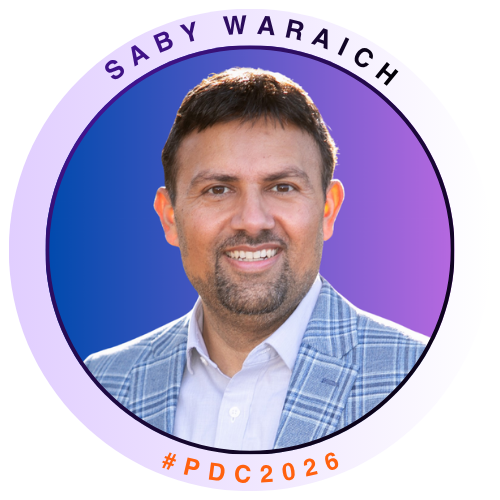
When Saby Waraich steps on stage, audiences don’t just listen - they leave ready to lead differently the very next day.
Named among the Top 10 Global Thought Leaders in Project Management, Business Strategy, and IT Leadership by Thinkers360, Saby blends his real-world leadership as a CIO and CISO with a proven track record of guiding complex transformations to success.
A dynamic storyteller and strategist, he equips leaders with practical frameworks, energizing delivery, and strategies they can apply immediately to build trust, inspire teams, and deliver measurable results.
With 250+ events worldwide and 50 plus PMI Chapters Globally, Saby’s insights have sparked change in boardrooms, classrooms, and conferences across industries and continents. Whether in person or virtual, his sessions aren’t just talks - they’re catalysts for action.
.
Keynote Presentation
Beyond the Project: Moving from SCARE to CARES to Deliver M.O.R.E.
Projects rarely struggle because of missing plans or tools. They struggle when pressure, fear, resistance, and misalignment quietly take over. These human dynamics often shape outcomes long before a schedule slips or a budget changes.
This keynote introduces SCARE to CARES, a practical leadership model that helps project professionals look beyond tasks and timelines and focus on lasting value. SCARE represents the conditions that derail projects: Stress, Chaos, Anxiety, Resistance to change, and Ego. CARES provides a people-centered response built on Communicate, Adapt, Relationships, Enable ownership, and Stay Calm.
Through real-world stories from large transformation initiatives, this session connects directly to PMI Utah’s Beyond the Project theme. Attendees will see how leadership choices influence stakeholder confidence, team ownership, and long-term outcomes often more than the project plan itself.
Participants will learn how to guide teams through uncertainty, manage expectations with clarity, and keep momentum when conditions shift. The session moves beyond execution to show how project leaders can deliver M.O.R.E. not just completed projects, but meaningful outcomes that organizations and communities continue to benefit from after the project ends.
.
Key Takeaways
-
-
- Recognize early warning signs that projects are slipping into SCARE
- Use CARES to guide teams through uncertainty and resistance
- Strengthen stakeholder trust through clear communication and calm leadership
- Learnings from a real complex project transformation
-
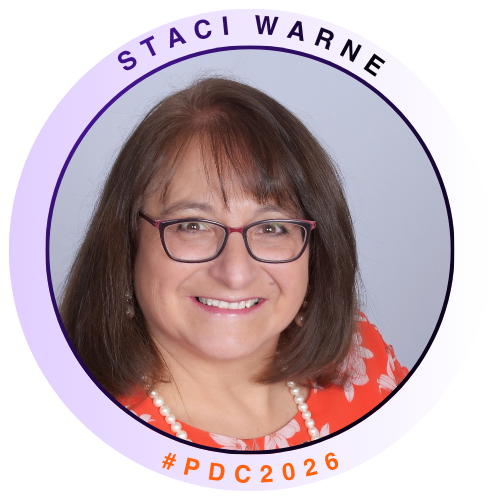 Staci Warne is a Project Management Professional (PMP®), Microsoft Certified Trainer (MCT®), and Certified AI Specialist (CAIS®), who brings modern workplace learning to life with practical insights and engaging instruction. She is the author of “Working Smarter with Microsoft Outlook” and “Working Smarter with Microsoft Project”. Known for transforming complex Microsoft 365, AI, and Project Management concepts into clear, actionable skills. She guides professionals toward those exciting “aha!” moments where everything just clicks. Her courses blend structured learning with real world application, empowering participants to work smarter, communicate more effectively, and unlock new levels of productivity through AI enhanced workflows. With her approachable style and deep technical expertise, Staci Warne makes technology feel accessible, useful, and—dare we say—fun!
.
Presentation Abstract
Working Smarter with Microsoft Planner
Most projects don’t struggle because the plan was bad, they struggle because work isn’t visible. Project managers spend too much time chasing updates instead of moving work forward.
You’ll see how to use the new Microsoft Planner to manage execution, ownership, and visibility as work evolves. We’ll start with Planner Basic, showing how boards, tasks, checklists, and ownership help teams understand what’s happening without constant status meetings. We’ll explore Planner Premium and the structure it provides, including timeline views, task relationships, and higher-level visibility.
Focus will be on helping you use Planner when flexibility, transparency, and flow matter more than formal scheduling. It includes an overview of how today’s Planner and Planner Premium evolved from Microsoft Project Online and Project for the Web. You’ll leave with a clear understanding of when Planner fits, how Premium features help, and how this approach supports hybrid and adaptive ways of working.
Key Takeaways
•Use Microsoft Planner Basic to manage task execution, ownership, and workflow visibility
•Understand when and why Planner Premium adds value over Basic Planner
•Improve project oversight without increasing administrative overhead or status meetings
•Recognize how Planner supports adaptive and flow-based ways of working
•Choose Planner as a primary tool when flexibility and visibility are more important than formal scheduling
.
Presentation Abstract
AI (Artificial Intelligence) for Project Managers
If you’ve ever wished you had an extra set of hands during busy project cycles, this session is for you. In this practical, fast paced class, you’ll learn how tools like ChatGPT can simplify the work you already do every day, without replacing the experience and judgment that make great project managers so valuable. We’ll walk through real examples of how AI can help you communicate more clearly, prep reports faster, brainstorm solutions when you’re stuck, and stay ahead of shifting priorities.
You’ll also get an inside look at the CREATE framework, a simple method for writing prompts that produce useful, accurate results. Whether you manage complex initiatives, juggle competing demands, or just want to work a little smarter, you’ll leave with techniques you can use immediately.
This session is designed to be hands on, approachable, and genuinely helpful, AI made practical for real project work.
Key Takeaways
•Understand what generative AI is and how it supports everyday project management work.
•Learn how to write effective prompts using the CREATE framework.
•Use AI tools to speed up tasks like drafting messages, summarizing info, and brainstorming ideas.
•Improve clarity, creativity, and decision making with practical AI techniques.
•Recognize AI’s limitations and learn how to verify and refine its output.
•Free up time for leadership and higher value project activities by automating routine work.
•Learn how to access and use the PMI Infinity App for AI supported project management resources.
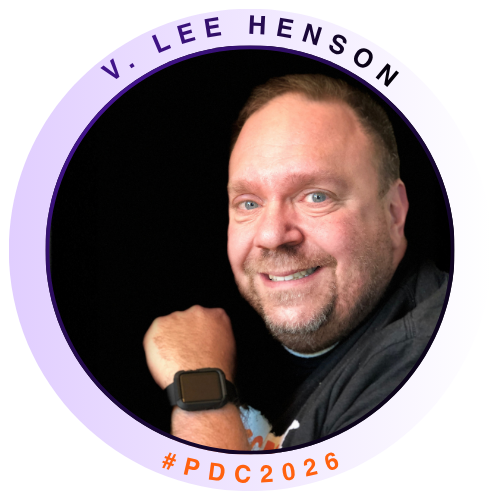 V. Lee Henson is a nationally recognized keynote speaker, leadership coach, and the President and Founder of AgileDad. With over 20 years of experience guiding leaders, teams, and organizations through change, Lee is known for delivering high-energy, deeply human talks that inspire audiences to think beyond execution and lead with purpose.
A Certified Scrum Trainer (CST) and PMP, Lee has worked with Fortune 100 companies, government agencies, and global teams, helping them navigate complexity, uncertainty, and transformation. His work bridges leadership, resilience, personal growth, and practical delivery making complex ideas accessible, actionable, and memorable.
Lee’s speaking style blends real-world stories, humor, and insight to help audiences build confidence, overcome obstacles, and create meaningful impact both professionally and personally. Whether on a keynote stage or in an interactive session, his message consistently resonates: leadership isn’t about titles or tools, it’s about choices, perspective, and the courage to lead beyond the project."
.
Presentation Abstract
Beyond Delivery: How Project Leaders Create Value That Actually Lasts
Project success is too often measured at delivery. On time, on scope, on budget, yet real value is frequently lost after the work is “done.” In today’s evolving project and product environments, leaders are being asked to think beyond execution and focus on outcomes, adoption, and lasting impact.
This session reframes project leadership through four enduring phases of successful work: Initiate (clarity and alignment), Discover (learning and risk reduction), Deliver (execution with feedback), and Release (adoption and value realization). While often associated with Agile thinking, these phases represent leadership behaviors that have always driven meaningful results when practiced well.
Participants will explore how to manage stakeholder perceptions of value, make better decisions across the lifecycle, and ensure success is defined by outcomes, not just outputs. The session also introduces practical ways AI can support insight and decision-making, allowing leaders to focus more on judgment, communication, and impact.
Key Takeaways
- Differentiate delivery success from value realization and explain why projects often fail after go-live.
- Apply the four phases (Initiate, Discovery, Delivery, Release) as a leadership lens across any delivery approach.
- Manage stakeholder perceptions of value throughout the lifecycle, not just at project close.
- Identify where value is commonly lost and take corrective action earlier.
- Use AI responsibly as a decision-support tool to improve insight, reduce risk, and strengthen outcomes.
